
Booking a headliner is one of the biggest bets a venue, concert promoter, fair, or festival makes. Get it right, and ticket sales, sponsor interest, and on-site revenue get easier. Get it wrong, and no amount of production polish saves the economics of the show. Yet plenty of shortlists still get built the same way: someone throws out a name they saw trending, the room nods, and an offer goes out before anyone has really tested whether that act makes sense for this market, this budget, and this date.
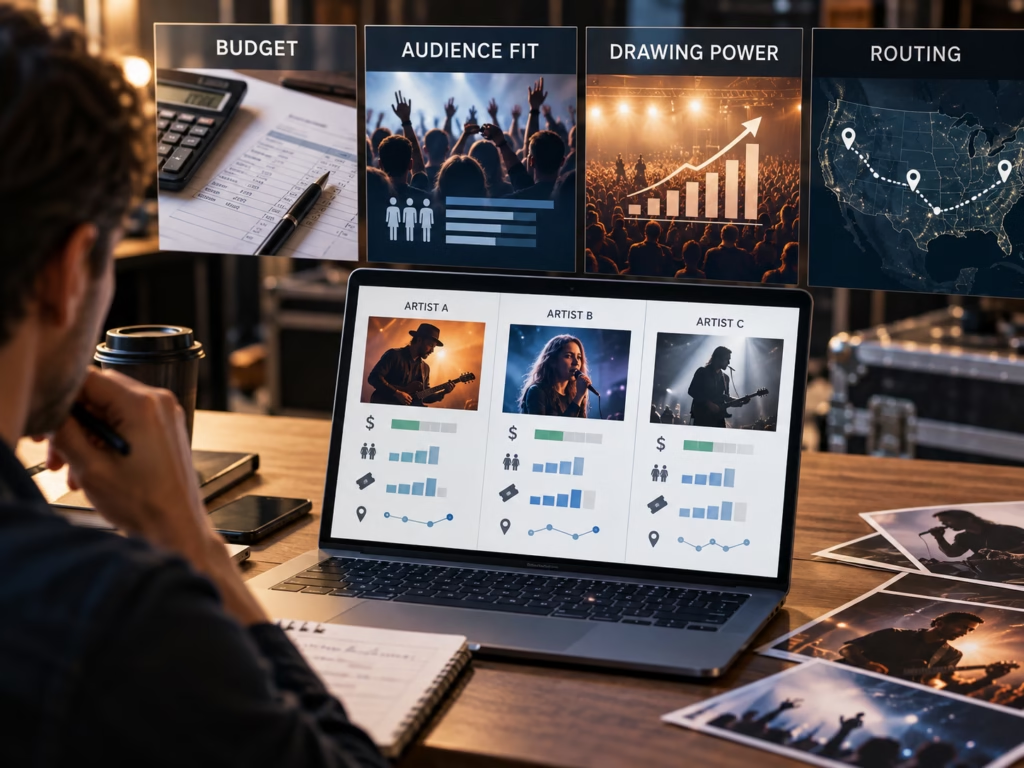
A better shortlist runs every name through four filters before an offer goes out: budget, audience fit, drawing power, and routing. They’re connected, and no single one makes the decision for you. The point is to check all four before you fall in love with a name.
Why the Old Way of Building a Shortlist Falls Short
The usual approach starts with who’s hot and works backward to see whether the budget and calendar cooperate. That’s backward. Artist guarantees, transportation, labor, and production expenses have put more pressure on buyers in recent years. Starting with the biggest name in the conversation can mean negotiating from a weak position before you’ve confirmed the act fits the room or the event.
Flip the order. Build the shortlist from economics and fit first. Let excitement about the name be the tiebreaker between finalists, not the reason a name made the list in the first place.
Filter One: Budget and Financial Viability
This isn’t just “can we afford the guarantee?” It’s whether the entire show or event still works financially after you’ve paid for the artist.
Set the right cap for the kind of event
For multi-act festivals, TSE’s published planning guidance puts headliners at roughly 40 to 50 percent of the talent budget, mid-level acts at 30 to 40 percent, and local performers at 10 to 20 percent. Those are flexible ranges, not a formula or an industry-wide ceiling. A one-night theater or casino concert may reasonably spend most of its talent budget on the headliner and a much smaller amount on support. A fair may fund grandstand entertainment through a mix of reserved-seat tickets, gate admissions, sponsorships, and other revenues. You have to know which business model you’re buying for.
Price in more than the guarantee
Depending on the deal, the buyer may also be responsible for production upgrades, backline, hospitality, security, hotels, flights, or ground transportation. A $60,000 guarantee with a lean rider and a $60,000 guarantee that requires substantial additional production are not the same budget line. Ask for the most current rider information available, identify what is included or bought out, and carry an allowance for unresolved costs before the deal becomes binding.
Run the revenue test
For a hard-ticket show, start with a realistic paid attendance forecast and an achievable average ticket yield after discounts and fees. Then compare likely net ticket proceeds, along with any reliable ancillary income, against the all-in show expense. Work out the break-even ticket count and ask what happens if sales come in 20 percent below plan. For a soft-ticket or free-admission fair or festival, the relevant return may also include incremental gate admissions, passes, sponsorship value, concessions, or the event’s community objectives. Don’t count on every attendee buying a ticket to the show if the concert is already included in admission.
A candidate that fits the guarantee cap can still be a bad financial bet. Leave room for the cost of selling the show, not just producing it. And don’t confuse a ballpark artist-fee estimate with an actual quote: pricing varies too much by act, date, market, deal structure, and routing to treat broad published bands as fixed rates.
Filter Two: Audience Fit
A famous name doesn’t automatically mean a full house. The right act is the one whose audience overlaps with the people you can actually reach, at a price they’re willing to pay.
Start with your own data before you start with the artist’s
Look at what has worked in your venue or at your event. Which past shows sold out? Which genres drove walk-up sales? Which acts moved premium seats or VIP packages? For a fair or festival, look at gate traffic by day, audience surveys, and the kinds of entertainment that helped keep people on the grounds. A community festival and a ticketed theater may serve very different audiences, even in the same city.
Compare the artist to the market
The strongest outside evidence is recent, verified ticket performance in comparable markets and similarly sized rooms. Regional streaming numbers, audience geography, and social engagement can help fill in the picture, but listeners and followers aren’t the same as paying ticket buyers. Tools such as Chartmetric and Viberate can suggest where an act has attention; box-office history helps show whether that attention converts into sales.
Match the act to the room
A great artist can still be wrong for a venue’s capacity, standing-versus-seated configuration, production limitations, or typical ticket price. A legacy rock act on a younger-leaning festival bill, or a jazz headliner in a market that historically buys country tickets, might work as a deliberate crossover play. But you need a reason beyond “everyone knows the name.”
Filter Three: Drawing Power
Audience fit tells you whether people might like the act. Drawing power asks a harder question: will enough people show up because of the act to justify what you’re paying? A familiar name can be a good fit and still lack the pull to anchor the night.
Separate popularity from ticket demand
Ask what the act actually sold in comparable markets, not just how many tickets were available or how many people follow the artist online. Check venue size, paid attendance, average ticket price, when tickets went on sale, and whether the artist was headlining or supporting. If the only comparison is a free festival appearance or a package tour, don’t pretend that figure predicts your standalone concert.
Estimate incremental attendance
For a standalone show, most of the paid crowd needs to come for the artist. For a fair, some people would have attended anyway; the useful question is how many additional admissions, grandstand tickets, or higher-value visits the act is likely to generate. Free festivals may judge the booking on incremental turnout, sponsorship delivery, visitor experience, or other stated goals. That doesn’t make the numbers unimportant. It means the numbers are different.
Make the downside visible
Build a base case and a softer-sales case rather than one optimistic sellout. An artist who needs a near-capacity house just to break even carries a different risk from one who performs acceptably with moderate sales. The strongest headliner isn’t necessarily the one with the highest guarantee or biggest online audience. It’s the one whose likely draw supports the event’s goals and risk tolerance.
Filter Four: Travel and Routing
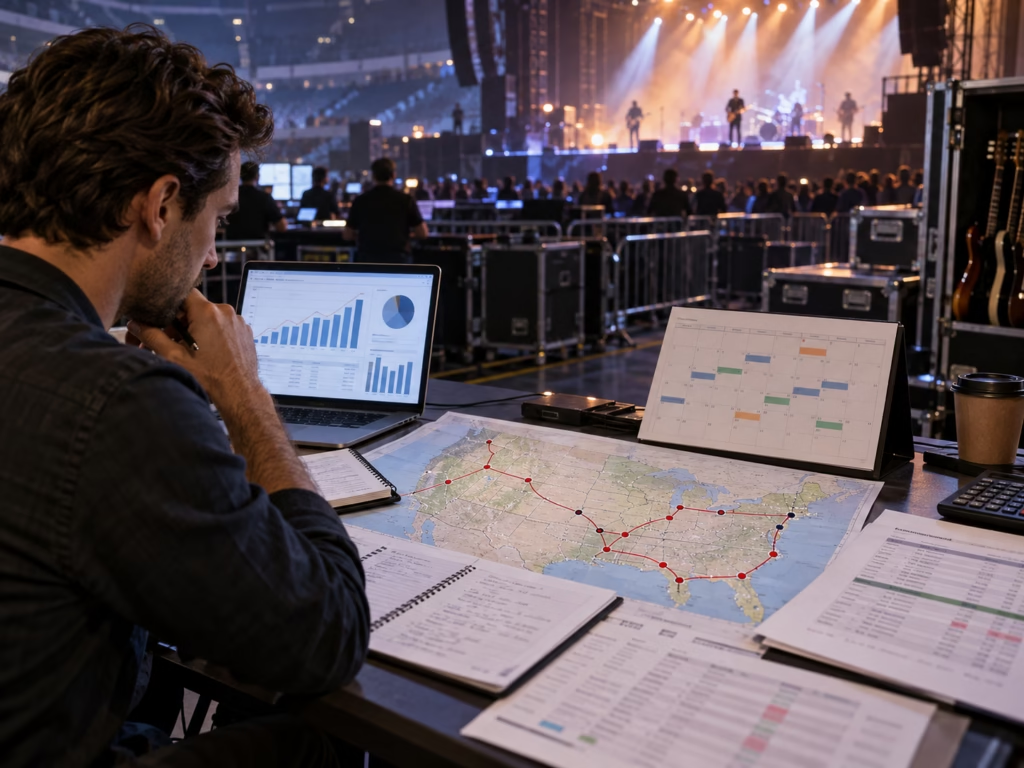
Routing is often where a realistic candidate turns into a smart deal. An artist already touring toward your region may be easier to fit into the calendar and less expensive to move than one who needs a special trip. That can create negotiating flexibility. It doesn’t guarantee a discounted fee.
Look for dates that fit the tour
Check announced dates, then ask the responsible agent about holds and unannounced opportunities. A gap between two shows might be a usable date. It might also be a travel day, vocal-rest day, crew break, or production move. Looking for acts passing within roughly 300 to 500 miles is a useful first screen, but mileage alone won’t settle the question: buses, trucks, load-in times, and the next night’s schedule matter just as much.
Check conflicts before you celebrate the route
Nearby performances may bring radius restrictions or create ticket competition in your own market. An act whose tour passes close by may be a better logistical fit and a worse commercial fit if the same audience can buy a ticket one city over. Confirm availability, geographic restrictions, and deal terms rather than treating a public tour calendar as the final answer.
Factor routing into the budget and draw checks, not around them. A perfectly routed artist who can’t sell your tickets is still the wrong headliner.
Building a Shortlist Worth Offering On
Once you’ve run the four filters, make the comparison simple. Give each candidate an estimated all-in cost, evidence of audience fit, realistic paid draw or incremental attendance, and a routing/availability assessment. Note any unresolved production or radius issues. You don’t need a complicated scoring model; you need the assumptions in the same place so one shiny name doesn’t get judged by a different standard.
Then rank the candidates by the strength of the whole case, not the biggest streaming number. A buyer-side booking agency can help test pricing and availability with the responsible artist agents, compare deal structures, and spot practical issues before an offer becomes a contract.
Example: A standalone theater concert
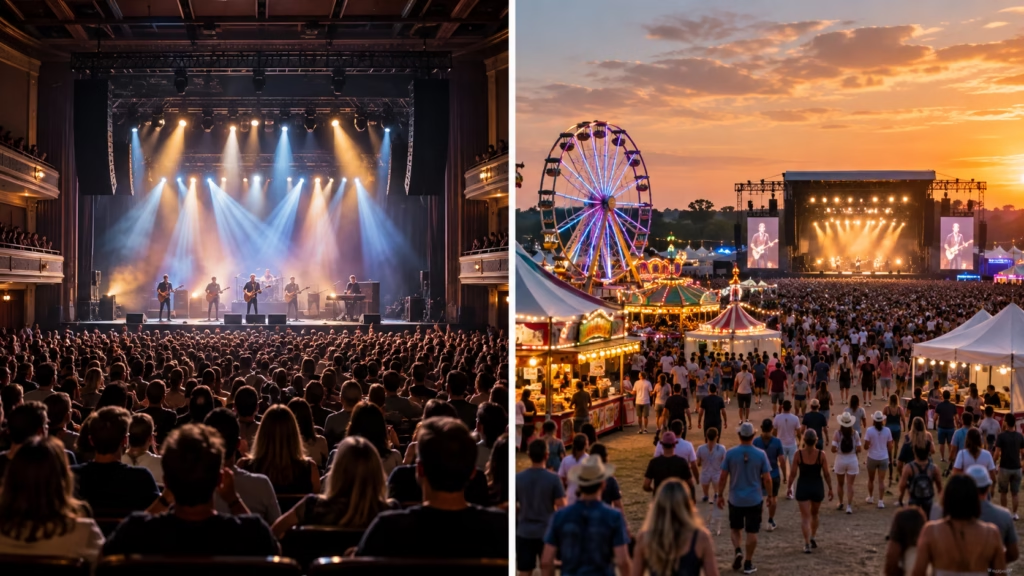
Say a 1,500-capacity theater is considering a well-known national act and a less famous regional draw. The bigger name carries a higher guarantee and needs substantial production additions. Its comparable-market grosses look impressive, but most were in larger cities at ticket prices this market rarely supports. The regional act has a smaller guarantee, strong paid attendance at similar theaters, and a workable route. Even if the national act has more buzz, the regional act may be the better booking because its conservative sales case gets the room closer to break-even without relying on a sellout.
Example: A fair choosing grandstand entertainment
Now take a fair with a $150,000 talent budget and three names on the wish list: an arena-level pop act, a legacy country act, and a rising mid-tier act with a regional following. The arena act is out on cost. The legacy act fits the fair’s historical audience, has credible draw for the grandstand, and is routing through the region. The rising act is an appealing, affordable complement but hasn’t demonstrated enough stand-alone drawing power to carry the night. The fair might pursue the legacy artist as the headliner and use the rising act as support, provided the combined cost fits its actual revenue plan. That’s not a magic 40 to 50 percent rule deciding the show; it’s all four filters pointing in the same direction.
Why This Matters More Now Than It Used To
The top of the live business can post record aggregate ticket sales while smaller venues and individual shows face much less forgiving economics. Pollstar’s 2026 reporting shows that kind of uneven market: strong totals for major tours alongside mixed results across venue sizes. Big names can still do enormous business, but that doesn’t make a weak local forecast any safer.
Booking a headliner will always be a bit of a gamble. Four filters won’t remove the risk. They just make sure it’s a risk you meant to take, with a name that fits the audience, the room, the budget, and the route.
Frequently Asked Questions
What percentage of the talent budget should go to the headliner?
For multi-act festivals, TSE’s planning ranges are roughly 40 to 50 percent for headliners, 30 to 40 percent for mid-level talent, and 10 to 20 percent for local acts. These are flexible talent-budget ranges, not an industry-wide requirement. Standalone concerts may devote most of their talent spending to the headliner.
How do I know whether an artist will sell enough tickets?
Start with recent paid box-office results in comparable markets and rooms. Check achieved ticket prices, paid attendance, bill position, and how the show was marketed. Build conservative and base-case forecasts and compare each to your break-even count.
How is headliner selection different for a venue and a festival?
A hard-ticket venue usually needs the artist to sell enough tickets to support show costs. A fair or festival may also value incremental gate attendance, sponsors, concessions, pass sales, or community goals. The right measure depends on the event’s revenue model.
What costs should I check beyond the guarantee?
Confirm which party pays for production, hospitality, backline, transportation, hotels, security, and any rider-driven upgrades. Get the latest available rider and estimate unresolved costs before the agreement becomes binding.
What does routing really save?
A date that fits an existing tour can reduce incremental travel or make the schedule more attractive to the artist. Savings and fee flexibility are possible, not automatic. Ask about holds, required rest or travel days, and radius restrictions.
How far ahead should I begin the search?
As a broad planning range, start about 6 to 18 months in advance; major headliners and competitive fair or holiday dates often warrant 9 to 18 months or earlier. The right lead time depends on the act, market, and flexibility of the date.
Is it ever worth spending more than the usual headliner allocation?
Yes, when defensible ticket demand or other revenue supports it. Run an all-in budget and downside case first. For a standalone concert, the festival allocation isn’t the right ceiling in the first place.
How can I check availability and touring dates?
Use announced dates and industry box-office sources as a starting point, then have the buyer or booking agency ask the artist’s responsible agent about open dates, holds, routing, and market restrictions.
Resources
The 2026 Fair & Festival Lineup Playbook (TSE Entertainment white paper)
Entertainment Booking Strategies: Balancing Headliners, Mid-Level Acts, and Local Talent (TSE Entertainment)
How to Build a 2026 Fair and Festival Lineup That Works (TSE Entertainment)
How to Get Your Venue Part of a Concert Tour (TSE Entertainment)
Top 10 Mistakes to Avoid When Hiring Event Entertainment (TSE Entertainment)
Strength in Numbers: A Record-Setting Q3 Surpasses $6B (Pollstar, September 22, 2026)
Q3 Venue Charts: Box-Office Growth Highest in Stadiums, Large Arenas; Mixed Results in Smaller Rooms (Pollstar, September 24, 2026)
Pollstar (touring and box-office data)
Chartmetric (artist audience data)
Viberate Audience Analytics (audience analytics)
International Association of Fairs and Expositions (IAFE) (fair industry association)
International Entertainment Buyers Association (IEBA) (talent
