

Executive Summary
Maximizing revenue in entertainment booking requires more than just filling dates. It demands a thoughtful entertainment booking strategy that takes into account show spacing, genre diversity, and price point optimization. Strategic planning helps you avoid oversaturation, appeal to varied audience tastes, and price offerings to match demand. When these elements align with your broader marketing and engagement goals, you create a sustainable booking rhythm that increases attendance, improves customer experience, and boosts profitability. This article explains how event spacing, curated genres, and intelligent price structuring work together to elevate entertainment revenue outcomes.
Why Smart Calendar Planning Drives Revenue
In live event programming, revenue tends to depend on a single strong show on top of how the entire month performs. Promoters and venue operators who consistently hit revenue targets all understand one thing: calendar math matters when it comes to entertainment booking.
TSE Entertainment approaches entertainment booking as portfolio management rather than isolated date filling, helping clients structure monthly calendars that maximize total gross instead of relying on one headline act.
Therefore, instead of stacking similar shows back-to-back or clustering high-fee acts into the same week, strategic talent booking agents will intentionally space genres, audience demographics, and price tickets in tiers across the month. The outcome is steadier cash flows, stronger attendance across multiple events, and less audience fatigue.
As booking strategies evolve over time, venues are beginning to move away from the strategy of filling every open date and move towards deliberate calendar architecture that balances risk, demand, and margins.
Professional talent booking requires understanding not just which acts to secure, but when to schedule them for maximum impact. The most successful entertainment booking professionals recognize that calendar optimization can significantly increase monthly gross revenue compared to random date assignment. This data-driven approach to talent booking transforms how venues think about their programming strategy.
What Many Venue Talent Bookers Overlook When Building a Monthly Lineup
 To those unfamiliar, booking can feel like a simple equation through securing the best available acts and selling tickets. However, in practice there are several hidden dynamics that affect gross revenue.
Audience Overlap Cannibalization
Two country artists right after another might split the same ticket-buying audience. In the same way, booking multiple high-energy dance nights close together could end up diluting demand instead of multiplying it.
Smart entertainment booking considers the psychographics and demographics of each artist’s fanbase. When talent booking decisions ignore audience overlap, venues often see lower-than-expected attendance across multiple shows. Professional booking agents analyze fan demographics to ensure each event attracts distinct audience segments, maximizing the total addressable market within your region.
Price Fatigue
When several premium-priced shows land within a short window, buyers might only be able to choose one. Spacing higher-ticket events can thus allow disposable incomes to reset for eventgoers.
Entertainment booking professionals understand that even affluent markets have budget cycles. Most consumers budget monthly while getting income on weekly or bi-weekly pay schedules, which directly impact their discretionary entertainment spending. Strategic talent booking aligns premium events with these natural cash flow cycles, increasing the likelihood that fans can afford to attend multiple shows throughout the month rather than forcing them to choose between competing events.
Cash Flow Timing
Effective entertainment booking balances artist guarantee payment schedules with expected ticket revenue timing. When venues front-load deposits for multiple acts without proper spacing, they may find themselves underfunded for marketing campaigns later in the month. Professional talent booking services help structure payment terms and show scheduling to maintain healthy cash flow throughout the programming period.
Marketing Bandwidth
Each show on the calendar requires promotion. Overloading a single weekend with multiple major campaigns can limit each event’s visibility.
Without a strategic plan in place, even strong bookings can underperform because of calendar congestion.
This is where professional booking oversight becomes critical. A structured review of genre overlap, pricing tiers, and audience behavior can significantly shift monthly outcomes.
Modern entertainment booking demands sophisticated marketing coordination. Each booked artist requires dedicated promotional windows, typically 4-8 weeks or more depending on the artist’s profile. When shows are too closely spaced, marketing messages compete for the same eyeballs across social media, email campaigns, and traditional advertising. Strategic venue operators allocate marketing bandwidth as carefully as they allocate stage time, ensuring each act receives adequate promotional support to maximize ticket sales.
Need help optimizing your venue’s calendar for maximum revenue? TSE Entertainment’s professional booking team can analyze your market and create a data-driven programming strategy. You can learn more about TSE Talent Booking Services
Contact us for a complimentary calendar review.
 The Core Framework: Balancing Genre, Audience, and Price
 The Core Framework: Balancing Genre, Audience, and Price
Successful monthly entertainment programming will follow three foundational principles:
1. Genre Diversification When Booking Entertainment
Spacing genres apart can reduce direct audience competition and widen overall reach.
For example:
Week 1: Country
Week 2: Comedy or Speaker
Week 3: EDM or pop
Week 4: Tribute band or legacy rock
This hypothetical rotation would help attract distinct audience segments rather than repeatedly targeting the same demographic.
Venues should book entertainment that leverages genre diversity to build audience reach over time. When talent booking follows a predictable rotation, venues train different demographic segments to check their calendar regularly. A country fan who attended in week one might bring friends to the tribute band in week four, expanding the venue’s customer base organically. This cross-pollination effect rarely happens when entertainment booking focuses narrowly on a single genre month after month.
Additionally, genre diversification provides venues with crucial data for future talent booking decisions. By rotating styles systematically, venues can identify which genres over-perform or under-perform in their specific market, allowing for more informed entertainment booking choices in subsequent quarters.
2. Tiered Pricing Strategy
Not every show should have the same ticket price. A healthy calendar would blend:
- Premium Events: Higher guarantee, higher ticket price, stronger gross potential
- Mid-Tier Shows: Solid draw with moderate pricing
- Accessible Nights: Lower ticket price, high bar sales potential
Spacing premium shows two to three weeks apart can help prevent audience price resistance while also keeping perceived value at a high level.
TSE’s booking agents help clients model these spacing decisions in advance, ensuring premium bookings support each other rather than compete for the same discretionary dollars.
Sophisticated entertainment booking integrates behavioral economics principles into pricing architecture. When talent booking creates a predictable pricing pattern, alternating premium, mid-tier, and accessible events, audiences develop spending expectations and budget accordingly. This psychological conditioning makes fans more likely to purchase tickets to multiple shows because they can anticipate and plan for costs.
Furthermore, accessible-priced events serve as critical audience development tools. These lower-risk talent booking opportunities introduce new customers to your venue, building the database for future premium entertainment booking initiatives. First-time visitors at a $25 show become repeat customers for $75 events when they’ve had positive experiences with your venue, staff, and overall production quality.
3. Risk Distribution
By balancing high-risk, high-reward bookings with proven sellers, monthly gross can be stabilized. A new emerging act might end up performing best between two reliable draw events, rather than simply alongside them.
This approach can help to smooth revenue volatility, rather than relying on a single headliner to carry the month.
Expert talent booking agents treat monthly entertainment programming like an investment portfolio. Just as financial advisors don’t recommend putting all capital into a single stock, professional entertainment booking agents avoid over-reliance on any single artist or genre. Mixing established headliners with emerging talent, tribute acts with original artists, and regional draws with national touring acts creates revenue stability that protects venues from the inevitable booking that underperforms expectations.
How Strategic Spacing Increases Total Gross Revenue
When programmed intentionally, spacing genres and price tiers can help to:
- Expand overall market reach
- Improve average attendance per event
- Increase ancillary revenue from concessions and VPI upgrades
- Reduce marketing spend overlap
- Improve sell-through percentages
Instead of having two partially filled premium shows competing for the same buyers, a well-spaced calendar would generate three strong nights with a broader demographic coverage.
Venues using proper spacing consistently see improved attendance without changing the talent booking roster. When audiences aren’t forced to choose between competing events, more fans attend more shows. This mathematical reality underpins why professional booking agents focus as much on calendar architecture as on talent selection.
The ancillary revenue impact deserves special attention. Entertainment booking that maximizes attendance also maximizes other revenue streams. These are discussed in our article: 5 Proven Revenue Streams That Keep Independent Music Venues Profitable.
A venue that generates 300 attendees across three well-spaced shows instead of 250 attendees at two competing shows doesn’t just sell 50 more tickets. They potentially generate thousands of dollars in additional ancillary revenue from those incremental customers.
Common Calendar Mistakes that Hurt Revenue
Even the most experienced venue operators can fall into patterns that limit monthly performance. For example:
- Booking similar genres within 7-10 days
- Scheduling multiple high-priced acts in a single pay cycle window
- Ignoring local market seasonality
- Underestimating production resets between complex shows
- Overloading holiday weekends with competing concepts
These missteps will often reduce total gross revenue even when an individual act has strong potential.
Professional entertainment booking agencies also account for external factors that amateur talent booking agents often overlook. Local high school football schedules, community festivals, competing venue programming, and even weather patterns affect attendance. Expert booking agents maintain market intelligence databases that inform entertainment booking decisions, helping venues avoid predictable conflicts that cannibalize ticket sales.
The production reset consideration is particularly important for multi-format venues. A talent booking agent that schedules a complex production show on Friday and another on Saturday may look efficient on paper, but the crew costs and technical complications of rapid changeovers often erase the perceived benefit. Strategic entertainment booking builds adequate load-in, load-out, and reset time into the calendar, protecting both production quality and profit margins.
Are you making these common calendar mistakes? TSE Entertainment’s booking professionals can audit your current programming strategy and identify revenue opportunities you’re missing. Schedule your free consultation today.
Production & Operational Considerations When Booking Entertainment
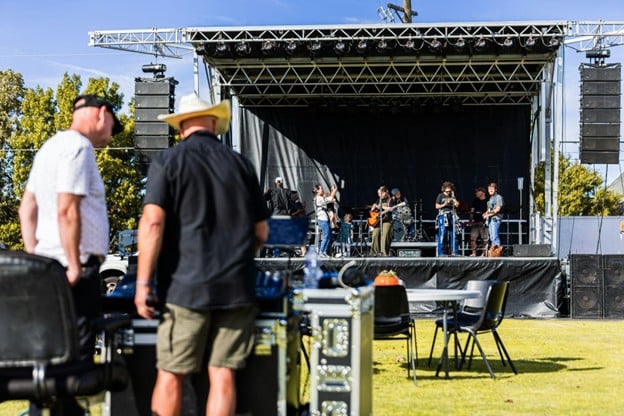 Calendar math is not only about ticket sales, but it also affects operational efficiency.
Spacing large-scale productions will allow for:
- Proper load-in and load-out timing
- Crew recovery
- Equipment availability
- Lower stress on technical teams
Operational fatigue can translate into increased labor costs and avoidable complications. A balanced schedule can thus support both revenue and execution quality.
Professional venue talent booking agents consider human factors that directly impact production quality and customer experience. Technical crews, front-of-house staff, and security teams all perform better when schedules allow adequate recovery time between demanding events. Entertainment booking that pushes teams too hard results in mistakes, safety issues, and declining customer service, all of which damage the venue’s reputation and future ticket sales.
The Future of Booking Strategy: Data-Driven Calendar Architecture
Modern venues increasingly rely on historical attendance data, demographic trends, and pricing analytics to guide scheduling decisions. Rather than booking reactively, teams can forecast how a specific genre will perform compared to what’s already confirmed.
This shift toward proactive programming can help maximize not only single-show gross, but also total monthly and quarterly revenue.
At its core, calendar math booking shows that entertainment works as a whole portfolio, not just a series of isolated events.
TSE Entertainment stays at the forefront of technological advances, helping clients leverage data-driven insights for superior talent booking outcomes. Rather than relying on gut instinct alone, professional entertainment booking agencies combine industry experience with quantitative analysis to reduce risk and maximize return on investment for every date on your calendar.
The future of talent booking lies in personalization and automation. Venues that build customer databases can eventually create individualized marketing campaigns based on past attendance behavior, delivering targeted promotions for specific shows to the audiences most likely to attend. This precision in entertainment booking marketing dramatically improves conversion rates and reduces customer acquisition costs.
Ready to transform your venue programming with data-driven talent booking strategies? TSE Entertainment combines 50 years of industry experience with cutting-edge analytics to maximize your revenue potential. Let’s discuss how professional entertainment booking can increase your monthly gross revenue.
Talk to a talent booking pro: 1-800-765-8203
Frequently Asked Questions
How far in advance should a monthly calendar be structured?
Professional entertainment booking typically works 6-12 months ahead for premium talent booking to secure first choice of available dates and negotiate better guarantees. Early planning also allows more time for effective marketing campaigns, which directly correlates with higher ticket sales.
Should premium shows always anchor weekends?
Often yes, but strategic weekday placement can work if spaced properly and supported by pricing strategy. Some talent booking opportunities actually perform better on weekday nights when there’s less entertainment competition in the market. Thursday shows, in particular, can be strong for certain demographics and genres, especially when Friday and Saturday are already programmed with different styles.
How do you decide which genres to rotate?
Local audience data, historical sell-through, and regional demand trends should guide the mix. Professional entertainment booking agents analyzes your specific market demographics, income levels, cultural preferences, and competitive landscape to create a genre mix optimized for your venue. What works in Nashville might not work in Los Angeles.
Can smaller venues use this strategy too?
Yes. Even limited-capacity spaces can benefit from thoughtful genre spacing and tiered pricing. In fact, smaller venues often see more dramatic revenue increases from strategic entertainment booking because they have tighter margins and less room for error. Proper talent booking allows smaller operations to compete more effectively with larger venues by maximizing efficiency and audience development.
What’s the biggest mistake venues make in talent booking?
The most common error is booking reactively based on artist availability rather than strategically according to a master calendar plan. When venues simply fill holes as agents call, they sacrifice revenue optimization for convenience.
How does TSE Entertainment help with booking strategy?
TSE Entertainment provides comprehensive talent booking services including market analysis, genre optimization, pricing strategy, and ongoing performance monitoring. Our entertainment booking professionals leverage decades of industry relationships and proprietary data analytics to secure the right talent at the right price for the right dates. We handle all negotiations, contracts, and logistics, allowing venue operators to focus on execution while we optimize your programming for maximum profitability.
Transform Your Venue Revenue with Professional Talent Booking
Don’t leave money on the table with in-house amateur entertainment booking approaches. TSE Entertainment’s professional venue booking services help venues increase monthly gross revenue through strategic calendar optimization, data-driven talent booking, and sophisticated pricing architecture. With 50 years of industry experience and relationships with thousands of artists across every genre, we have the expertise and access to transform your programming strategy. Contact TSE Entertainment today for a complimentary venue assessment and discover how professional entertainment booking can maximize your profit potential.