
A Strategic Guide for Festival Organizers and Independent Promoters
The landscape for independent music festivals has never been more challenging, or more full of opportunity for those willing to adapt. In 2026, the convergence of post-pandemic audience behavior, escalating production costs, shifting artist fee structures, and an increasingly fragmented entertainment marketplace has put enormous pressure on independent festival operators. While major festival conglomerates absorb losses through diversified portfolios and corporate backing, independents must fight smarter, leaner, and more strategically than ever before.
This guide is written based on TSE Entertainment’s 50 years of industry experience for the independent organizer or promoter, i.e., the operator running a regional or niche festival without the safety net of a corporate parent. Whether your event draws 2,000 people or 25,000 per day, the economic realities covered here apply, and the strategies outlined below represent the best available thinking on how to not just survive, but build a genuinely sustainable fair or festival business in a difficult era.
The Economic Landscape for Independent Music Festivals in 2026
To craft effective survival strategies, organizers must first understand the forces reshaping the economics of independent festivals. Three macro-level pressures stand out above all others.
 Rising Production Costs
 Rising Production Costs
Stage production, sound reinforcement, lighting, and labor costs have increased dramatically since 2020. Supply chain disruptions during the pandemic years created permanent structural increases in equipment costs. Skilled labor, particularly experienced audio engineers, production managers, and riggers now commands significantly higher rates as the talent pool thinned during years of limited live events. Fuel costs, which drive everything from generator rental to equipment transport, remain volatile. Organizers who budgeted based on 2019 figures have been caught badly off guard.
In many markets, organizers report 30–60% increases in production costs compared to 2019. For events already operating on thin margins, this delta can be the difference between viability and insolvency.
Artist Fee Inflation
Artist fees have followed a similar inflationary trajectory, but with an added complication: the touring ecosystem has bifurcated sharply. Established artists have used the return of live events to dramatically increase their fees, recognizing that touring income now represents a larger share of their total revenue than at any point in the streaming era. Meanwhile, emerging artists, particularly those without strong streaming numbers, often struggle to command fees that justify their touring costs.
This creates a paradox for festival talent booking agents: the acts that draw audiences are increasingly expensive, while affordable acts may not generate sufficient ticket sales. Navigating this requires strategic creativity in lineup construction and deal structuring.
Audience Fragmentation and Ticket Resistance for Entertainment Events
Post-pandemic audiences have more entertainment options than ever, and discretionary spending faces pressure from persistent inflation in housing, food, and essential goods. Consumers have become more selective about live event spending, and younger audiences in particular have demonstrated price sensitivity that creates a ceiling on ticket pricing strategies. Meanwhile, the convenience of streaming and digital entertainment continues to raise the bar for what the live experience must deliver to justify the cost and effort of attendance.
Recommended Survival Strategies for Independent Music Festivals in 2026
Strategy 1: Restructure Your Revenue Architecture
The most financially resilient independent festivals have fundamentally rethought where their revenue comes from. Ticket sales should no longer be viewed as the primary revenue engine. They are increasingly best understood as a floor that covers baseline costs, with profitability driven by diversified ancillary revenue.
Sponsorship as a Core Revenue Pillar
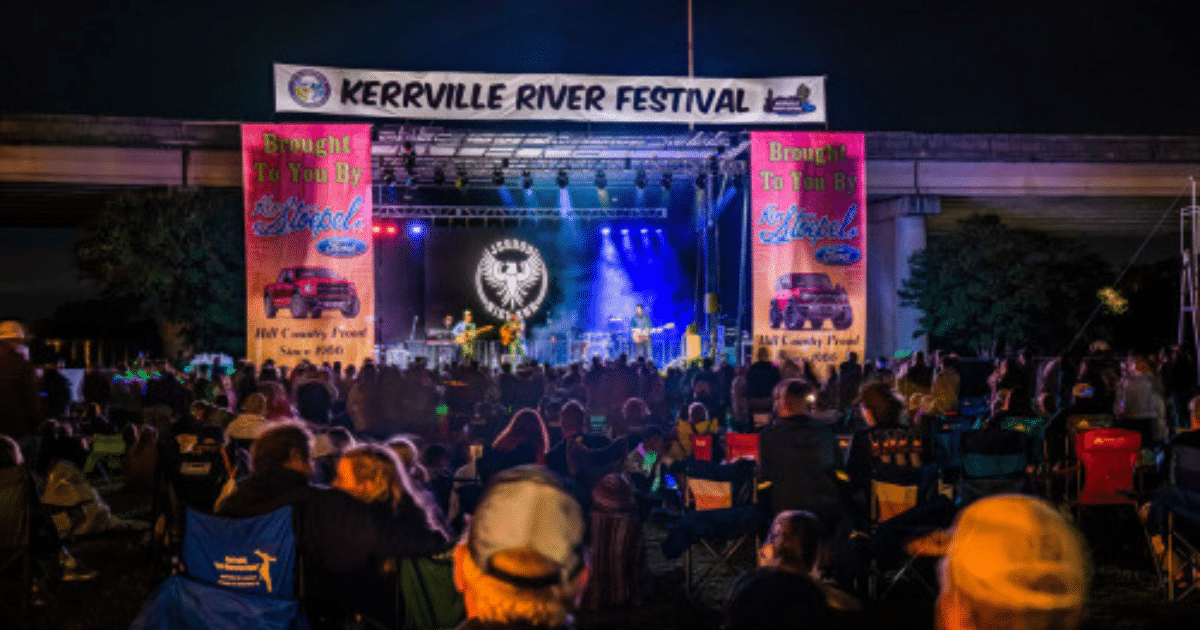 Corporate sponsorship for regional and niche events has actually expanded in accessibility in recent years, as brands seek authentic community connections over expensive national campaigns. A festival with 3,000 highly engaged attendees in a specific demographic niche may be more valuable to certain sponsors than a 50,000-person event with diluted demographics.
To capture this opportunity, independent festival operators should invest time in building detailed audience profiles and demographic data. Know your audience’s median age, income bracket, geographic origin, spending habits, and consumption preferences. Present this data professionally to prospective sponsors. Create tiered sponsorship packages with clear deliverables and measurable ROI metrics that deliver impressions, social reach, lead capture opportunities, and on-site activation. Target regional and local businesses aggressively, as they often find it easier to justify smaller sponsorship investments.
| Let TSE Help You Structure Winning Sponsorships
TSE Entertainment works with qualified festivals and corporate clients to develop sponsorship packages that deliver measurable ROI. Whether you’re seeking sponsors or looking to activate your brand at live events, we can help. → Learn about TSE’s sponsorship services — tseentertainment.com |
Premium Experiences and Tiered Access
General admission tickets are a commodity. VIP experiences are a margin opportunity. The most profitable independent festivals have built robust premium tiers that go well beyond a better view and a faster drink line. Think artist meet-and-greet access, curated hospitality experiences, exclusive stage-side viewing, dedicated concierge service, premium camping with amenities, and pre-event or post-event programming available only to premium ticket holders.
At well executed events,, premium tier revenue can account for 15 to 25 percent of total ticket revenue while accounting for a much smaller percentage of attendees. The key is ensuring the premium experience is genuinely differentiated and delivers value that justifies the price premium.
Vendor and Marketplace Revenue
Many independent festivals underutilize their vendor footprint as a revenue source. Rather than charging flat vendor fees, consider structuring agreements around revenue sharing on sales above a threshold. Curate your vendor mix to ensure quality and exclusivity. Vendors who feel they have a protected category will pay more for that privilege. Develop proprietary food and beverage operations for high-volume categories rather than outsourcing entirely, capturing margin that would otherwise leave the event ecosystem.
Strategy 2: Smart Lineup Economics
Talent is typically the largest line item in any festival budget, often representing 40 to 60 percent of total event costs. Managing this intelligently is arguably the most important financial discipline an independent festival operator can develop.
The Anchor-Plus-Emerging Model
A proven approach is to structure your lineup around one or two headline acts that drive ticket sales, supported by a mix of mid-tier regional artists and carefully selected emerging talent. The headlines justify the ticket price in the consumer’s mind. The emerging talent costs relatively little while potentially creating genuine discovery moments that become part of the festival’s brand story over time. Here is an article published by TSE that may help further explain this approach. Entertainment Booking Strategies: Balancing Headliners, Mid-Level Acts, and Local Talent.
The key is negotiating your headliner deals carefully. Negotiate performance guarantees against a percentage of ticket revenue, rather than accepting flat fees that expose you to loss if ticket sales underperform. Explore backend deal structures where the artist participates in event profitability above a threshold. This aligns incentives and can reduce upfront risk.
| Need Help Booking the Right Talent?
TSE Entertainment has 50 years of experience connecting festivals and events with the right artists — from country headliners to specialty acts. We handle availability, negotiation, and contracting so you can focus on your event. → Contact TSE Entertainment for a free booking consultation — tseentertainment.com or…Learn More About TSE Talent Booking for Fairs & Festivals |
Building Multi-Year Artist Relationships
Booking agencies and artist management teams prefer working with operators who provide long-term partnership value over one-off transactions. Developing genuine relationships, being known as a professional, well-organized event that treats artists well, pays promptly, and delivers strong audience engagement, earns access to more favorable deal structures over time. An artist who had a great experience at your event three years running is more likely to offer favorable terms than one receiving a cold inquiry.
Document artist experiences. Send post-show summaries with audience feedback and attendance data. Stay in communication between booking cycles. These relationship investments cost relatively little but pay meaningful dividends in deal quality.
Strategic Booking Timelines
Independent festivals often lose negotiating leverage by booking too late. While confirming headline talent 12 to 18 months out requires earlier commitment, early booking often improves negotiating leverage and can reduce fees compared to last-minute confirmations. Artists planning their tour calendar want certainty, and festivals that can offer confirmed dates well in advance gain pricing advantages. Build your planning calendar to support early booking, including early cash flow management and deposit structures.
Strategy 3: Cost Structure Discipline
Revenue optimization alone cannot rescue a festival with an unmanaged cost structure. Disciplined cost management requires systematic review of every spending category against alternative approaches.
Production Partnerships and Equipment Sharing
Independent festivals in the same regional market often operate in isolation when they could benefit from collaborative relationships with other organizers. Shared equipment purchases, coordinated rental schedules that allow the same gear to serve multiple events, and collaborative negotiations with production vendors can reduce costs for all parties. This requires trust and coordination but the financial benefits can be substantial.
Also consider production design approaches that reduce complexity without sacrificing audience experience. Modular staging systems, LED technology that replaces more expensive lighting rigs, and efficient stage layouts that minimize labor hours are all worth the upfront design investment.
Volunteer Program Development
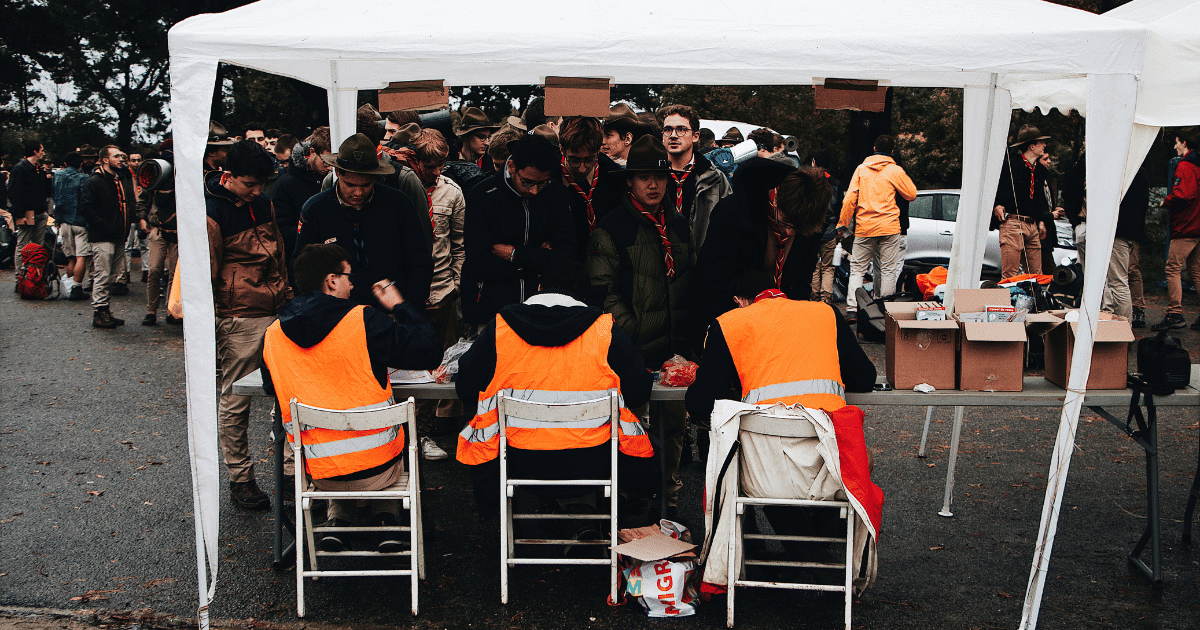 A well-run volunteer program can meaningfully reduce labor costs while building community connection and engagement. Volunteers who receive compelling non-monetary compensation, e.g., free event access, exclusive experiences, genuine community belonging, can fill roles in parking, site management, merchandise, information services, and audience services that would otherwise require paid staff.
This requires investment in volunteer management infrastructure: recruitment systems, training protocols, scheduling tools, and genuine appreciation programming. Festivals that treat volunteers as a valued community rather than free labor build programs that become self-sustaining through word of mouth.
Insurance and Risk Management
Event cancellation insurance, weather insurance, and general liability coverage are non-negotiable. However, many independent operators either over-insure through inattention or under-insure through cost-cutting, both of which are costly errors. Work with an insurance broker who specializes in live events to right-size your coverage and explore emerging event insurance products that can provide weather-related protection at lower cost than traditional policies. Market conditions vary.
Strategy 4: Digital Revenue and Year-Round Engagement
The most economically fragile festival model is the one that exists only for the days of the event itself. Building digital revenue streams and year-round audience engagement transforms a single-event dependency into a diversified entertainment business.
Content Monetization
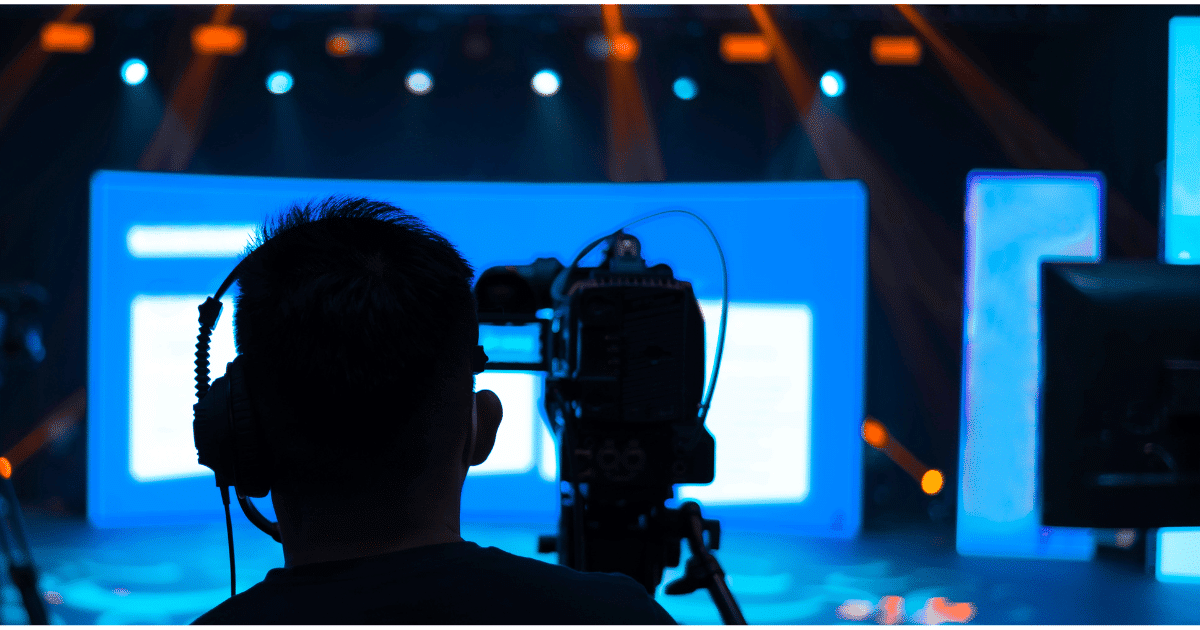 Every festival generates hours of compelling content, i.e., performances, behind-the-scenes moments, artist interviews, audience experiences, etc. This content has monetization potential well beyond the event itself. Official live recordings, professionally produced documentary content, streaming partnerships, and licensed content deals can generate meaningful revenue year-round. Build content capture into your production plan from the outset, securing proper rights agreements with all performing artists.
Streaming partnerships are difficult for smaller festivals and rights clearance can be too complex for many. It involves negotiated performance and sync rights along with significant increase in production costs to capture that content.
Community and Membership Models
Loyal festival audiences are a community asset that can be activated beyond the annual event. A festival membership or fan club model, offering year-round content, early ticket access, exclusive merchandise, and community connection creates recurring revenue and deepens audience loyalty. The most successful implementations treat membership as a genuine ongoing relationship rather than a marketing device.
Digital Pre-Sales and Cashflow Management
Strategic use of layaway payment plans, early bird ticket tiers with meaningful pricing incentives, and transparent pre-sale communication can significantly improve cash flow in the months before the event. This reduces reliance on short-term borrowing and provides earlier signals about expected attendance that allow production planning adjustments.
Strategy 5: Build the Brand, Not Just the Event
Independent festivals that survive over the long term do so because they stand for something in their audience’s mind. They are not just events. They are experiences with identity, community, and meaning. Building this kind of brand equity is the deepest form of economic protection available to an independent operator.
Define clearly what your festival stands for. What values does it embody? What experience does it promise and consistently deliver? What community does it serve and cultivate? Invest in brand consistency across every touchpoint including the website, communications, the on-site experience, the artist relationships, the vendor curation, and the physical environment of the event. Audiences who feel deep affinity for a festival brand are more forgiving of production imperfections, more resistant to competing events, and more willing to pay premium prices.
Collect and share authentic community stories. The testimonial of a longtime attendee who has brought their family for a decade is more powerful marketing than any advertising. Build a social media presence that reflects genuine community values rather than promotional messaging alone. These investments in brand equity pay dividends over time that are difficult to quantify but very real in their economic impact.
Conclusion: The Path Forward
There is no formula that guarantees economic survival for an independent music festival in 2026. The environment is genuinely difficult, and some events that were viable five years ago will not be in the years ahead. However, the festivals that will thrive are those that approach their economics with rigor, creativity, and long-term thinking.
Diversify revenue beyond ticket sales. Build artist relationships that earn favorable deal structures. Manage production costs with discipline and creativity. Develop digital and year-round engagement that reduces single-event dependency. And above all, invest in the brand identity and community connection that make your festival irreplaceable in your audience’s lives.
Independent festivals exist because they provide something major commercial events cannot; authenticity, community, and genuine cultural meaning. That value proposition, properly managed and economically supported, remains a real and enduring competitive advantage. The challenge is ensuring the financial architecture exists to sustain it. With the strategies outlined in this article, it can.
| Work With TSE Entertainment
From talent booking, production, marketing and sponsorship sales, TSE Entertainment serves festivals, fairs, corporate events, and venues across the country. Reach out to discuss your next event. → Get started now for your next event
Or give us a call at 800-765-8203 |
Frequently Asked Questions
The following questions are among the most common we hear from independent festival organizers navigating today’s economic environment.
Q: How far in advance should we be booking headline talent for our festival?
For independent festivals, 12 to 18 months is the sweet spot. Booking this early gives you the best selection of available talent, the strongest negotiating position on fees, and enough lead time to build an effective marketing campaign around your confirmed lineup. Artists and their management teams build their touring calendars well in advance. The earlier you can offer a confirmed date, the more likely you are to secure favorable terms. For a summer festival, serious headline conversations should begin the previous fall at the latest..
Q: How do we attract corporate sponsors when we’re a small regional festival?
Small regional festivals are actually well-positioned for certain types of sponsors, particularly regional and local businesses that want meaningful community presence rather than the broad, less-targeted reach of national events. The key is building a compelling audience profile that demonstrates the value of your attendees to a potential sponsor. Know your demographics inside and out: age, income, geography, lifestyle, and spending habits. Present this data professionally alongside a tiered sponsorship menu with clear deliverables and activation opportunities. Start with businesses that are already spending money in your community, then work outward.
Q: What are the most common financial mistakes independent festival operators make?
The most common errors we see are: over-relying on ticket sales as the primary revenue source; booking talent at fixed fees rather than negotiating guarantee-versus-percentage deals; underestimating production cost inflation when building budgets; failing to secure weather or cancellation insurance until it’s too late; and booking too late in the cycle and losing negotiating leverage. A less obvious but equally damaging mistake is not building a reserve fund from profitable years to cushion against difficult ones. Single-year thinking is the enemy of festival longevity.
Q: How do we negotiate artist fees when we have a limited budget?
Several approaches can help. First, offer value beyond the fee as professional production, strong marketing support, a well-organized show, and prompt payment all matter to artists and their management. Second, explore backend deal structures where the artist receives a lower base guarantee but participates in revenues above a threshold. Third, when you can such as multi-day events, be flexible on dates. An artist who has a gap in their tour schedule may offer favorable terms to fill it. Fourth, consider multi-year agreements when that makes sense that give the artist booking security in exchange for better pricing. Finally, building genuine relationships with booking agencies over time earns goodwill that often translates to more flexible deal structures.
Q: When does it make sense to use a professional talent buyer versus booking artists directly?
For most independent festivals, working with an experienced talent buyer like TSE Entertainment adds significant value at every budget level. Professional talent buyers have existing relationships with agencies and management teams that open doors and accelerate conversations. Cold inquiries from unknown promoters are often deprioritized. They understand the current market for artist fees and can negotiate more effectively than an organizer without that context. They also manage the contract and advancing process, reducing risk of costly misunderstandings. The commission cost is typically offset by better deal terms and avoided mistakes. TSE Entertainment has more than 50 years of industry relationships that go a long way to better terms for its clients.
Q: How should we think about emerging artists versus established acts in our lineup?
Emerging artists serve several important functions in a festival lineup beyond their lower cost. They give your audience genuine discovery experiences that deepen festival loyalty. Attendees who saw an artist before they were famous feel a special connection to your event. They also create editorial interest that established acts alone cannot. The key is being selective and strategic: book emerging talent with genuine momentum and strong regional followings rather than simply the least expensive options available. One workable framework is a mix of 1 to 2 headliners, 2 to 3 mid-tier acts, and 6 to 10 emerging or local performers is a framework that balances commercial draw against cost discipline effectively. TSE tracks emerging artists from all music genres and can recommend the best picks for your event.
Q: What types of events does TSE Entertainment work with?
TSE Entertainment serves a wide range of events including music festivals of all sizes, county fairs, state fairs, civic festivals, corporate events, private events, and music venues. With over 50 years in the entertainment industry, TSE maintains relationships with artists, management teams, and booking agencies which feature country, pop, rock, R&B, Latin, and specialty entertainment genres. Whether you need a single headliner or a full multi-day lineup, TSE can assist with talent sourcing, fee negotiation, contract preparation, and show advancing.
Q: How do we get started working with TSE Entertainment?
The simplest first step is a conversation. Reach out to TSE Entertainment through tseentertainment.com to learn more about our services. Ready to discuss your event, timeline, budget range, and programming goals? Then use the link below to contact us and arrange a conversation with a booking pro.
TSE works with events at a variety of scales and budget levels and can advise on what’s realistic in the current market. Initial consultations are available to help you understand your options before making any commitments.
| Need Help Booking the Right Talent?
TSE Entertainment has 50 years of experience connecting festivals and events with the right artists, from country headliners to specialty acts. We handle availability, negotiation, and contracting so you can focus on your event. → Contact TSE Entertainment for a free booking consultation
Remember you can always call us at 1-800-765-8203 (Central Time: 8:00 – 6:00) |
Bibliography & Source References
Economic Survival Strategies for Independent Music Festivals in 2026
Editorial Note
This document identifies published sources that support the major claims, statistics, and strategic frameworks presented in the TSE Entertainment white paper “Economic Survival Strategies for Independent Music Festivals in 2026.” Sources are organized by topic area and verified as of the publication date. All URLs were confirmed accessible. Where a source supports multiple sections of the article, it is listed under its primary relevance category.
The white paper itself draws on TSE Entertainment’s 50 years of operational experience in the live entertainment industry. The external sources below provide independent published corroboration for the key claims made in each section.
| Section 1 — The Economic Landscape: Market Size & Industry Overview |
[1] The Business Research Company (2025). Music Festival Global Market Report 2025. The Business Research Company / Research and Markets. https://www.researchandmarkets.com/reports/6075427/music-festival-market-report [Supports market size figure: global music festival market projected at $2.57B–$3.02B in 2024–2025, CAGR 17.4%]
[2] Michigan Journal of Economics (2026). The Music Festival Economy. University of Michigan / LSA. https://sites.lsa.umich.edu/mje/2026/01/11/the-music-festival-economy/ [Supports economic impact discussion; cites Bonnaroo $339M Tennessee economic injection, Statista global music events market projection of $30.14B in 2023 rising to $36.71B by 2027]
[3] Mordor Intelligence (2024). United States Live Music Market Size & Growth to 2031. Mordor Intelligence. https://www.mordorintelligence.com/industry-reports/united-states-live-music-market [Supports US market concentration discussion; North American festival market dynamics and independent operator pressures]
[4] CVL Economics (2024). Transforming Festival Failures into Economic Wins. CVL Economics. https://www.cvleconomics.com/insights/transforming-festival-failures-into-economic-wins/ [Supports economic landscape section; documents 2024 festival cancellations including Pitchfork, Firefly, Voodoo; identifies compounding cost pressures on independent operators]
| Section 1 — Rising Production Costs & Artist Fee Inflation |
[5] Festival Insider (2022). How Inflation is Changing the Festival Industry. Festival Insider. https://festivalinsider.com/articles/how-inflation-is-changing-the-festival-industry [Directly supports Rising Production Costs section; quotes industry operators on disproportionate post-pandemic cost increases across production, talent, insurance, materials]
[6] iMusician (2025). Decline of Music Festivals: What to Expect in 2026. iMusician. https://imusician.pro/en/resources/blog/decline-of-music-festivals [Supports production cost inflation claims; documents overall production cost increases of ~40%, with some operators reporting up to 250% increases in specific cost categories. Cites AIF data: UK festival count fell from 600 in 2019 to 482 in 2023 (19.7% decline), with additional 60 UK festivals ending in 2024]
[7] The Sound Cafe (2024). The Rising Costs of Everything: A Tectonic Shift in the Music Festival Landscape. The Sound Cafe. https://www.thesoundcafe.com/post/the-rising-costs-of-everything-a-tectonic-shift-in-the-music-festival-landscape [Supports production cost section; documents production costs doubling in some cases; covers sponsorship withdrawal trends]
[8] Insurance Journal / Bloomberg (2024). Music Festivals Canceled This Year Reveal Rising Costs of Producing Large Events. Insurance Journal. https://www.insurancejournal.com/news/national/2024/03/15/765022.htm [Supports Rising Production Costs and Artist Fee Inflation; documents 10+ US festival cancellations in 2024; quotes operators on rising staffing, staging, and performer costs]
[9] Eventdrive (2022). Impact of Rising Prices on the Event Industry. Eventdrive. https://www.eventdrive.com/en/blog/effects-rising-prices-event-industry [Supports cost inflation data; cites R.I.F.E.L/German Federal Event Management Association study showing 46–58% cost increase for events vs. 2019 baseline]
[10] RiverBeats Life (2024). Is The Party Over? Music Festivals Grapple With A Changing Industry. RiverBeats Life. https://riverbeats.life/music-festivals-grapple-with-a-changing-industry/ [Supports cost and audience sections; documents porta-potty costs 2–4x increase; Coachella and Burning Man failing to sell out in 2024 for first time; concert ticket prices up 33% between 2018–2023]
[11] Billboard (2024). How Soaring Concert Costs Drove the Live Music Business to New Heights in 2024. Billboard. https://www.billboard.com/pro/concert-costs-drove-live-music-business-new-heights-2024/ [Supports Artist Fee Inflation section; documents average ticket prices reaching $132.30 for top 100 tours in 2024 (up 9.1% from 2023, 20.6% over two years); top 100 tours grossed $9.1B, up 21.6% year over year; confirms festival ticket sales declined in 2023 and 2024]
[12] Prism.fm (2024). Concert Cost Breakdown: Where Does the Money Go?. Prism.fm. https://prism.fm/blog/insights/concert-cost-breakdown-where-promoters-are-spending/ [Supports cost structure section; documents concert prices surging 75% over 10 years; National Independent Talent Organization data showing artists net ~$8 profit from $100 ticket after expenses]
[13] TSE Entertainment (2025). Music Festival Economics. TSE Entertainment. https://tseentertainment.com/music-festival-economics/ [TSE Entertainment’s own published analysis; cites Eventbrite survey finding 68% of festival organizers report profitability as biggest challenge; documents 5–10% profit margins for smaller established festivals; Statista revenue projections]
| Section 1 — Audience Fragmentation & Ticket Resistance |
[14] Eventbrite (2025). 75+ Eventbrite Event Statistics and Trends. Eventbrite Blog. https://www.eventbrite.com/blog/event-statistics-ds00/ [Supports Audience Fragmentation section; 60% of event organizers planned to raise ticket prices in 2024; only 28% of attendees planned to spend more; VIP attendance grew 18% on Eventbrite in 2023; 84% of attendees looking for more local/independent venue concerts in 2024]
[15] Eventbrite (2022). How to Start a Profitable Music Festival. Eventbrite Blog. https://www.eventbrite.com/blog/music-festival-profit-ds00/ [Supports profitability and audience sections; confirms Eventbrite survey: 68% of festival organizers report profitability as biggest challenge; over one-third struggle to stand out to sponsors; nearly two-thirds of smaller festivals (under 5,000 attendees) struggle with sponsor differentiation]
| Strategies 1–4 — Revenue Architecture, VIP, Sponsorship & Digital |
[16] Ticket Fairy (2025). Case Study: VIP & Premium Festival Upsell Models. Ticket Fairy Promoter Blog. https://www.ticketfairy.com/blog/case-study-vip-premium-festival-upsell-models-perks-pricing-and-fairness [Supports VIP & Premium Experiences section; documents VIP revenue share ranging from 10–30% of total ticket sales; single VIP attendee equivalent to 2–5 GA attendees in revenue; Tomorrowland case study showing 10–15% VIP attendees contributing over 25% of ticket revenues]
[17] Ticket Fairy (2026). Live Music Event Brand Partnerships Guide 2026. Ticket Fairy Promoter Blog. https://www.ticketfairy.com/blog/live-music-event-brand-partnerships-guide-2025-how-they-drive-success [Supports Sponsorship as Core Revenue Pillar section; documents sponsorship representing 10–20%+ of major festival total revenue; Coca-Cola/ESSENCE Festival partnership delivering $346.3M economic impact in 2024]
[18] TSE Entertainment (2025). 5 Proven Revenue Streams That Keep Independent Music Venues Profitable. TSE Entertainment Blog. https://tseentertainment.com/5-proven-revenue-streams-that-keep-independent-music-venues-profitable-hint-not-ticket-sales/ [Supports Revenue Architecture and VIP sections; references NIVA 2024 State of Live report on independent venue profitability challenges; documents VIP disproportionate revenue contribution]
[19] Square (2025). 10 Ways to Expand Revenue Streams at Festivals. Square / The Bottom Line. https://squareup.com/gb/en/the-bottom-line/operating-your-business/expand-revenue-streams-at-festivals [Supports Revenue Architecture section; outlines 10 discrete revenue streams including tiered access, vendor exclusivity, parking, and content licensing]
[20] Ticket Fairy (2025). From Stage to Screen: Monetizing Festival Live Streams and Archives. Ticket Fairy Promoter Blog. https://www.ticketfairy.com/blog/from-stage-to-screen-monetizing-festival-live-streams-and-archives [Supports Digital Revenue & Content Monetization section; documents Coachella online viewership in millions vs. 125,000 onsite capacity; hybrid monetization models including pay-per-view, sponsored streaming, and archived content licensing]
[21] Festival Pro (2024). Frequently Missed Opportunities Monetising a Music Festival. FestivalPro. https://www.festivalpro.com/festival-management/3066/news/2024/4/2/Frequently-Missed-Opportunities-Monetising-a-Music-Festival.html [Supports Vendor & Marketplace Revenue and Digital Revenue sections; identifies underutilized revenue streams including data monetization, on-site services, and content licensing]
[22] Ticket Fairy (2025). Festival Sponsorship Dollars: Bonus, Not Backbone. Ticket Fairy Promoter Blog. https://www.ticketfairy.com/blog/2025/07/07/festival-sponsorship-dollars-bonus-not-backbone/ [Supports Sponsorship section framing; recommends treating sponsorship as surplus above breakeven rather than structural revenue dependency]
[23] Eventbrite (2024). How to Build a Music Festival Budget. Eventbrite Blog. https://www.eventbrite.com/blog/festival-budget/ [Supports cost structure and revenue sections; documents portable toilet cost increase from $10,000 to $16,000 (60%) as concrete inflation example; headliner fee ranges; sponsorship categories]
| Additional Context — Industry Consolidation & Market Dynamics |
[24] Research and Markets / The Business Research Company (2025). Music Festival Global Market Report — North America Focus. Research and Markets. https://www.researchandmarkets.com/reports/6075427/music-festival-market-report [Supports industry consolidation context; documents KKR acquisition of Superstruct Entertainment for $1.43B in June 2024; North America as largest regional festival market in 2024; BLS data showing US entertainment expenditures rose 5.1% from 2022 to 2023]
Notes on Source Quality & Usage
Verified Sources
All 24 sources listed in this bibliography were verified as accessible and reviewed for relevance to the white paper’s claims. Sources include peer-reviewed academic work (University of Michigan Journal of Economics), major trade publications (Billboard, Insurance Journal), industry platforms (Eventbrite, Ticket Fairy, Festival Pro), independent research firms (Mordor Intelligence, Research and Markets, CVL Economics), and TSE Entertainment’s own published industry analysis.
Market Size Discrepancy Note
Readers will note that different market research firms report materially different global music festival market size figures, ranging from $2.57 billion to $28.7 billion in 2024. These discrepancies reflect differences in market scope definition: some reports cover only dedicated music festivals while others include all live music events, concerts, and related experiences. The white paper does not rely on a specific global market size figure; the cited sources are used to support directional trends rather than precise valuations.
Recommended Citation Format
When citing this white paper and its sources in external communications, TSE recommends the following attribution: “Based on TSE Entertainment’s industry analysis and the published sources cited in the accompanying bibliography, available at tseentertainment.com.”